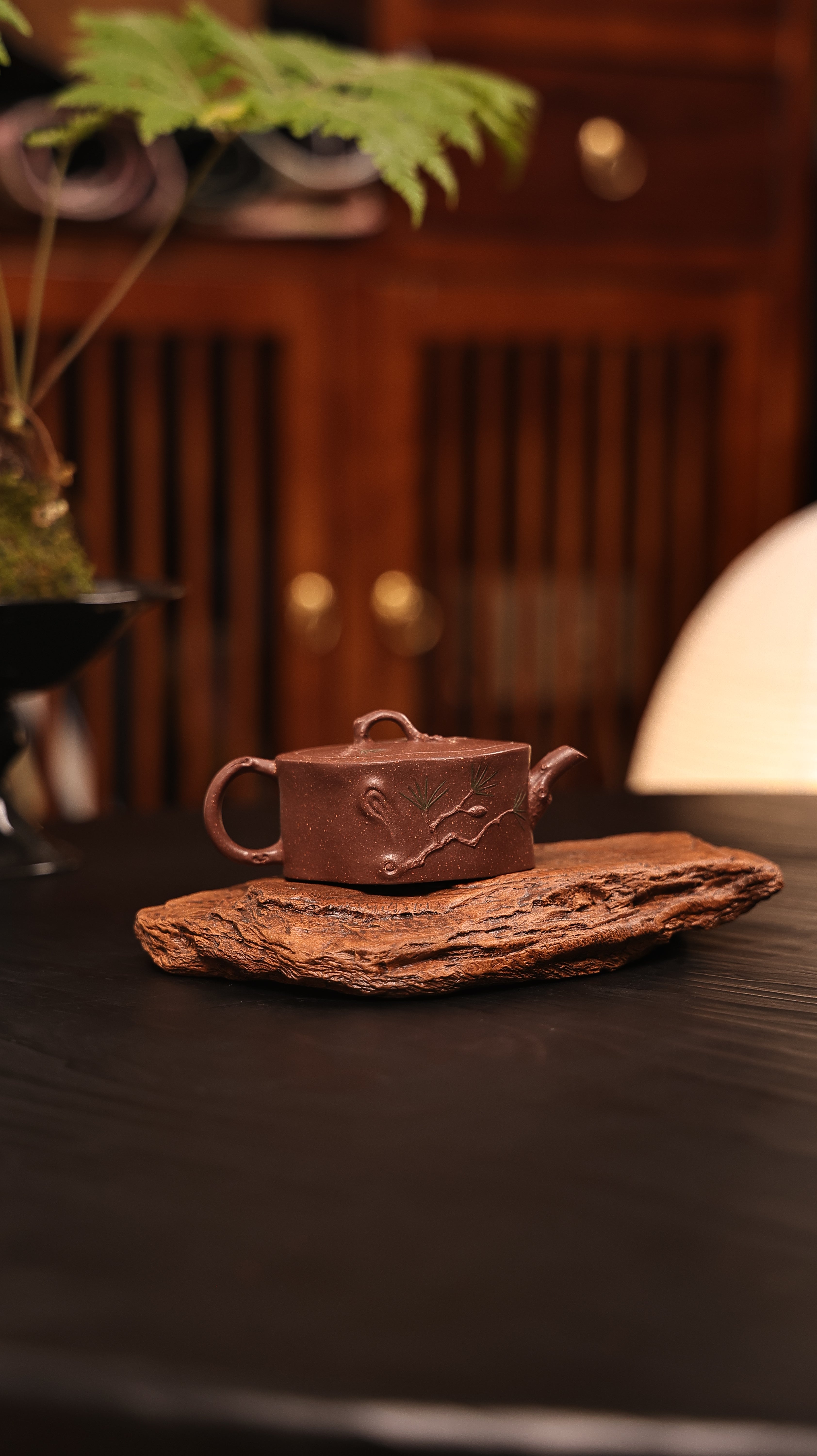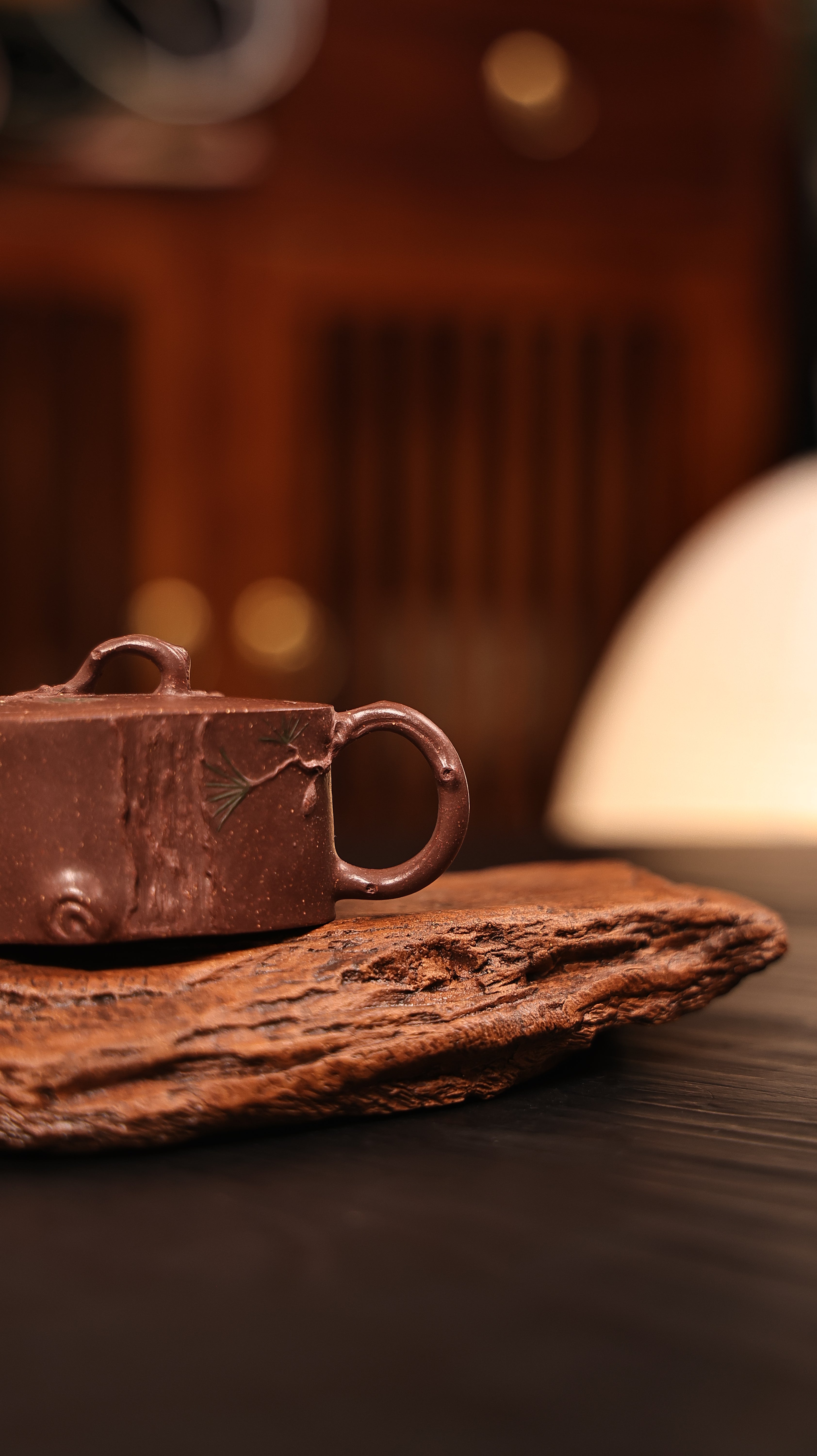
Lasting custom defines Zisha pottery via timespans,
Illustrating distinctive properties collected amidst domestic purple earthen materials, those containers acquire a luster amid employment, refining savor liberated from prepared liquids.
Exploring Yixing Dirt: Extensive Insights into Zisha
Multiple devotees value the special grain of Yixing violet clay, a foundation of traditional Chinese pottery. Appearing from the Yixing region of Jiangsu province, this valuable clay shows an refined mineral blend, whichever provides outstanding qualities to the realized items. Classes within Zisha, including Duan Mud, Duan Ni Mud, and Jiang Xi Mud, each features unique casts, structures, and temperatures traits, altering the permeability and the ultimate accent ripening of the beverage.
Eastern Vessel Traditions: Investigating Expertise
Asian teapots embody exceeding mere vessels for extract; they exemplify centuries of historical mastery. From the distinguished Yixing clay variations, respected for their absorbent nature which imparts particular tastes to the drink, to the refined porcelain from Jingdezhen, each piece relays a legend of commitment. The creation process is an methodical undertaking, often transferred through clans of artisans. These makers use ancient systems such as hand-building, forming on wheels, and embellishing, demonstrating profound reverence for the element and the art itself. Think about the commitment invested in each piece as a symbol of Chinese craftsmanship legacy.
- Zisha jugs: a classic alternative.
- Jingdezhen ware teapots: famed for their refined design.
- Fabricating techniques: a complex yet profitable procedure.
Eastern Clay Kettle Maintenance: Sustaining Your Prized Possession
Optimal maintenance of your unique Yixing Zisha flask is vital to prolonging its condition. Crafted from recognizable purple sand soil, these exceptional teapots gain a appealing patina after employment, decidedly boosting their allure. Prevent washers; a careful rinse with mildly heated solution is capable. Avoid high temperature water for purifying the teapot, as it may harm its surface. Allow it to fully dry away from unfiltered sunshine. Consider maturing your teapot regularly using fine tea, especially dark varieties. Here is a brief overview:
- Swill with softly heated liquid.
- Do not use washers.
- Provide it to air dry.
- Break in with superior tea.
History of Yixing Teapots: From Basic Inception
The history of Yixing teapots launches initially during the Jin dynasty, estimated the 16th century. Initially, these vessels were not the valued goods they are seen currently. They were made by regional potters using the distinctive purple clay sourced solely in the Yixing vicinity. These early works were largely utilitarian, meant for routine function and often basic in appearance. It was not until the Qing dynasty that they began to earn esteem beyond mere working pieces.
Considering the Suitable Jiangsu Container: A Newcomer's Handbook
Embarking the territory of Yixing teapots can be difficult, but resist resisting! For starters, the key factor is understanding the soil. Validated Yixing clay is prized for its diffusibility, allowing the teapot to soak up the tea's bouquet over time, boosting every brewing session. Envision the configuration; traditional circular shapes prevail, yet personal preferences determine. Lastly, check the coating—while some favor an raw appearance, others cherish a delicate gloss. Take your time in the procurement process—this is an buying in a beloved piece of pottery.
Purple Clay Kettles and Their Significance on Chinese Drink Culture
Zisha urns, coming from Yixing, China, have profoundly shaped customary Chinese infusion culture. The Yixing clay teapots, prized for their particular shade, fabric, and exceptional ability to impart a subtle essence to the beverage, represent more than mere holders; they are admired objects and symbols of status. The very habit of preparing and serving infusion using a Zisha teapot is steeped in origin, elevating the experience beyond simple refreshment. Lineages of Yixing Teapot artisans have perfected their techniques, passed down through tribes, resulting in highly valued pieces. For this reason, Zisha teapots are frequently treasured, playing a crucial part in cultivating Oriental appreciation for aesthetics and the science of elixir ceremonies.
- Characteristic Clay Composition
- Adding Subtle Flavor
- Elegant Craftsmanship
Establishing Legitimate Special Eastern Jars
Acquiring a certified Yixing teapot can be a pleasurable experience, but the field is often saturated with counterfeits. Detecting between a authentic antique and a current reproduction requires thorough inspection. Key markers include the clay's russet shade, often displaying patterned signs, and the absence of modern burning imprints. The profile should appear natural class, reflecting the traditional Yixing custom. Finally, analyzing the creator's emblem is essential to verify validity against official testimonies.
- Assess the clay's feel.
- Look for irregularities, indicative of crafted quality.
- Consult an professional for evaluation.
Buying Eastern Pottery: A Extensive Explanation to 紫砂 Interpretation
The sector of Traditional Zisha teapots provides a exceptional possibility for educated enthusiastic followers. Increasingly, the price of these custom artifacts is determined by diverse components, such as the rank of component, the expertise of the artisan, the cultural meaning, and, naturally, the ongoing interest. Starters should dedicate effort on exploring the multiple classes of Zisha clay—such as Frosted Water, 杜宁, and Ruby Mud—and investigating the aspects linked to each. Precise inspection of the vessel's outline, complexion, and logo is correspondingly paramount to make experienced conclusions when investing.